Start With the Place, Not the Pitch
Before an object becomes a trend, ask where it is used and what conditions have shaped it. That question makes room for practical context and more careful curiosity.
Explore the context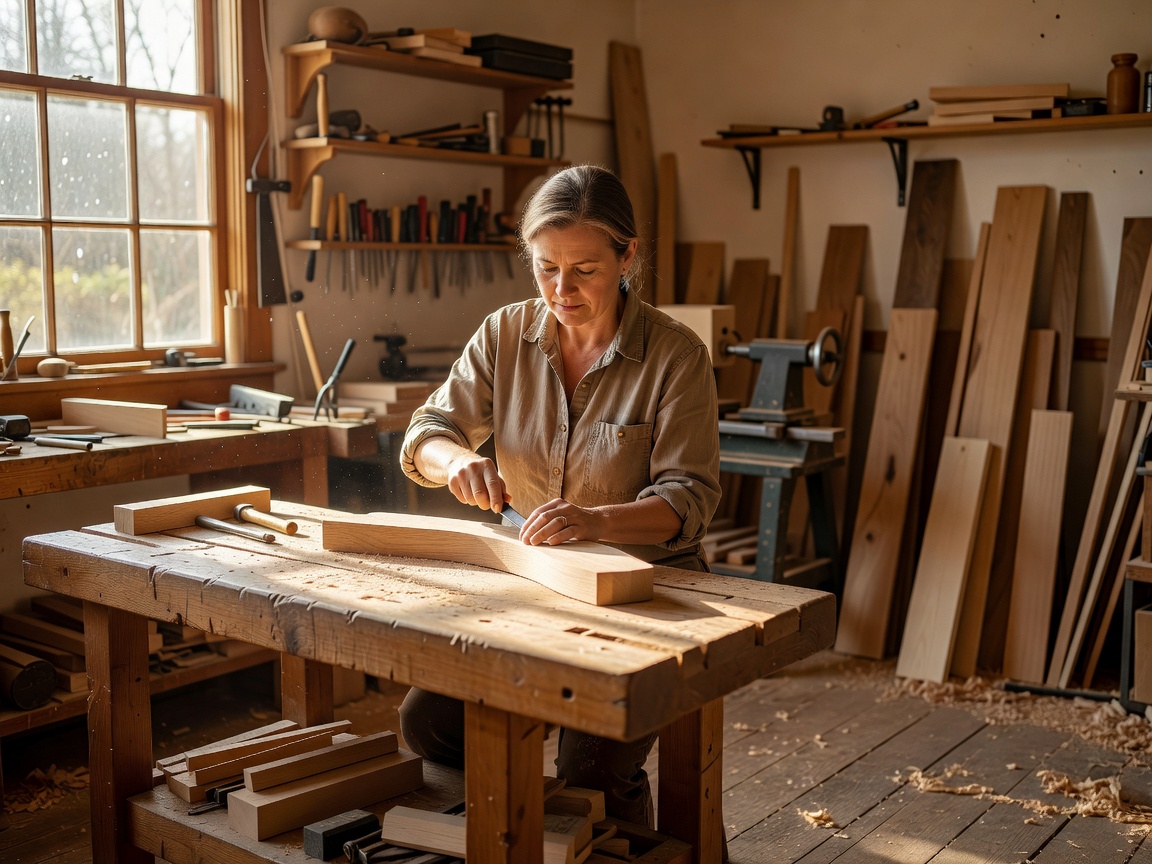
Location is a beginning, not a label
Products move through homes, workshops, markets, and supply chains. An object may be designed in one place, made in another, and adapted by people somewhere else. Good research keeps those distinctions visible instead of assigning a single origin story too quickly.
Start with what can be observed: the object’s form, materials, intended use, and the setting in which it appears. Then look for first-hand descriptions from makers, users, sellers, or reliable local sources. A photograph can show a task or setting, but it cannot establish the whole history of an object.
Questions worth asking
- Which specific place or community is being discussed, and who provides that information?
- Is the object made locally, sold locally, or simply photographed there?
- What climate, available materials, transport needs, or household routines might matter?
- Is the source describing a common practice, a particular maker, or one person’s experience?
When a source does not answer these questions, keep the gap visible. Avoid treating a whole country or culture as a single marketplace, and do not turn an appealing design into an unsupported tale about tradition. Context earns its place through clear, careful evidence.
Carry the question forward
To understand an object, connect its setting with its actual job and with the people who use or make it. Next, explore local uses or materials and making.